
お知らせ NEWS


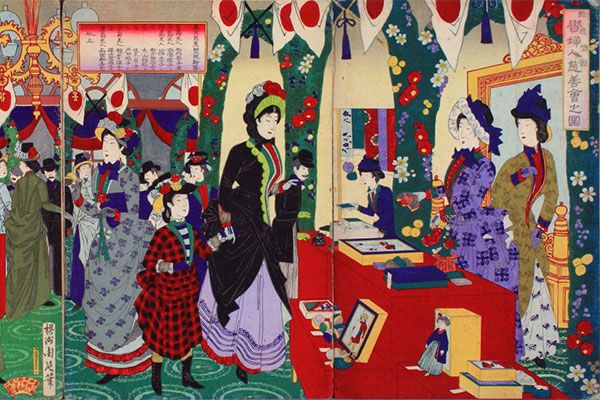
鹿鳴館の貴婦人-大山捨松さん
「鹿鳴館の貴婦人」と呼ばれた大山捨松さん(生まれた時の名前は「咲子」)について学んだ。捨松という名前は、渡米する際に母が「この子は国のために捨てた子と思おう。そして、いつまでも帰りを待つ(松)」という願いを込めて、新たに付けたものである。
捨松さんは、江戸幕府を最後まで支えた会津藩の出身である。会津藩の白虎隊は、本来は戦争で戦う年齢ではない若者たちで構成され、戦争の中で多くの命を落とした。捨松さんは11歳で、日本初の女子留学生の一人としてアメリカへ渡った。
帰国後、捨松さんは、ハンサムで英語も堪能な日本人青年(後に大学教授となった人物)から結婚の申し出を受けた。しかし、「国のために何かできることをしたい」という思いから、その求婚を断念した。日本の若者に英語を教えることで国に貢献したいと考えていたが、日本語力や資格の面で不十分であり、その希望はかなわなかった。
その後、年の離れた陸軍卿・大山巌からの度重なる申し出を受けて結婚し、子育てにも尽力した。社交界では「鹿鳴館の名花」と称される一方、看護師としてのボランティア活動にも励んだ。また、同じ女子留学生仲間である津田梅子が創設した私塾(後の津田塾)を理事として支え、特に経済面で大きく貢献した。
晩年、病に倒れた津田梅子を休ませるため、津田塾では代理人を立てる必要が生じた。捨松さん自身が代理を務めたのではなく、「辻マツ」さんを代理人として迎えるために尽力した。スペイン風邪が猛威を振るう中、捨松さんは何度も辻マツさんと話し合い、ようやく「代理であれば」という条件で承諾を得た。しかし、その過程で捨松さん自身がスペイン風邪に感染し、帰らぬ人となった。
津田梅子は五千円札の肖像として知られ、津田塾大学の創立者として広く名を知られているが、捨松さんの名前は、その功績に比してあまり知られていない。しかし、捨松さんはヴァッサー大学卒業時に卒業生代表としてスピーチを務めるほど優秀であり、在学中・卒業後を通して、日本を紹介するエッセーを海外に送り続け、無名の日本のために静かに尽力した人物である。
大山捨松さんが大切にしていた三つの信条
1)会津魂といわれる「ならぬことはなりませぬ」
― 不正や道理に反することは、決して許さないという信念。
2)自分の置かれた立場で最善を尽くす
― どのような境遇にあっても、できる限りの努力をする。
3)日本人としての誇りを失わない
― アメリカにいても、西洋化が進む明治時代にあっても。
②やさしい英語
Oyama Sutematsu
Oyama Sutematsu was known as “a lady of the Rokumeikan.”
Her name at birth was Sakiko. When she went to the United States, her mother gave her a new name, “Sutematsu.” It meant, “I let my child go for the country, and I will always wait for her return.”
She was from Aizu, a domain that supported the Tokugawa shogunate until the end. The Byakkotai of Aizu were very young boys who were not old enough to fight, and many of them lost their lives in the war. Sutematsu went to the United States at the age of eleven as one of the first Japanese female students to study abroad.
After she returned to Japan, she received a marriage proposal from a handsome Japanese man who was very good at English and later became a university professor. However, she refused the proposal because she wanted to do something for her country. She hoped to teach English to young people in Japan, but her Japanese language skills and teaching qualifications were not sufficient at that time.
Later, she married Oyama Iwao, the Minister of the Army, who was much older than her. She raised children and was called “the flower of the Rokumeikan.” At the same time, she worked as a volunteer nurse and supported Tsuda Umeko, her friend from the study-abroad group, who founded a private school that later became Tsuda University. Sutematsu helped the school greatly, especially by giving financial support.
Near the end of her life, Tsuda Umeko became seriously ill, and the school needed an acting head. Sutematsu herself did not become the acting head. Instead, she worked hard to find a suitable person and supported Tsujii Matsu as the acting representative. During the severe Spanish flu, Sutematsu talked with Tsujii Matsu many times and finally received her agreement. Sadly, during this process, Sutematsu caught the Spanish flu and passed away.
Today, Tsuda Umeko is well known and appears on the 5,000-yen bill, but Sutematsu’s name is not widely remembered. However, she was an excellent student who gave a graduation speech as class representative at Vassar College. During and after her studies, she wrote essays about Japan and quietly worked for her country when Japan was still little known to the world.
Three principles that Oyama Sutematsu valued
- The spirit of Aizu: “Naranukoto wa narimasenu.”
This means, “What must not be done must never be done.”
She believed that injustice and actions against what is right should never be accepted.
- Do your best in the place where you are
No matter what situation she was in, she always tried to do her very best.
- Never lose pride as a Japanese person
Even while living in America, and even during the Meiji era when Japan was becoming more Westernized.
 前の記事へ
前の記事へ- 一覧へ戻る
- 次の記事へ
