
お知らせ NEWS



朝早く、歩いていた。
まだ少し暗いところで、
足元や顔の前に、
何か影のようなものが当たった気がした。
えっ。
ひょっとして、雪かしら。
そう思って、上を見上げた。
何も見えない。
でも、ちらちらとした影が、
さっきより速いスピードで横切っていく。
顔をじっと上に向けて、
しばらく待ってみた。
確かに、雪だ。
唇にのって、すっと消えた。
それから、
雪だとはっきりわかるほど、降ってきた。
えっ。
何年ぶりだろう。
寒かった田舎の冬を、思い出した。
積もるかなあ。
溶けるかなあ。
太陽が、遅いといいなあ。
I was walking early in the morning.
It was still a little dark.
Something like a shadow
touched my feet
and my face.
Oh—
could it be snow?
I looked up,
but I saw nothing.
Still,
small shadows were moving,
faster than before.
I lifted my face
and waited.
Yes, it was snow.
It landed on my lips
and quietly disappeared.
Then I knew for sure—
it was snowing.
Oh—
it felt like many years ago.
I remembered
the cold winters
in the countryside.
Will it pile up?
Will it melt?
I hope the sun
comes a little late.

人とうまくいかなかった時、
自分の何がいけなかったのか、
どうすればよかったのか、
考えてしまうことがあると思う。
でも、そんなことは思わなくていいよ。
相手の人が悪かった、とも思わなくていい。
永遠という時間から「今」を考えると、
それは「点」ほどでもない。
もしかしたら、見えないくらい。
だから、気にしなくていいのよ。
無理に解決しようとしなくていいのよ。
今年は、もう少し、
ゆっくりしてみようね。
When things do not go well with people,
we think,
“What was wrong with me?”
“What should I have done?”
But you do not need to think like that.
You do not need to think
the other person was bad, either.
If we look at “now”
from the time called forever,
this moment is very small,
like a tiny dot.
So you do not have to worry.
This year,
let’s slow down
just a little.
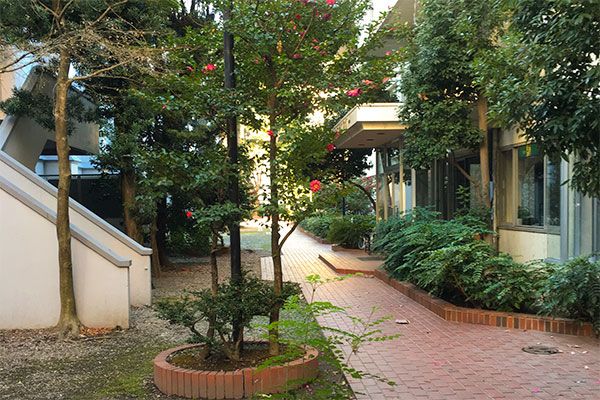
教会の横に「学校」があったの。
今はもう何もないけれど、
たしかに四つの棟があった。
二つの棟の三階はホールになっていて、
グランドピアノが置かれていた。
一つのホールには、
キラキラ光るミラーボールもあった。
教会と学校のあいだには、
たくさんの緑の木、
椿やサザンカの花、
藤の花が咲いていた。
スズメやツバメやウグイス、
蝶々が来て、
飛んだり、鳴いたり、
遊んだりしていた。
雪がたくさん降った日は、
みんなで雪だるまを作ったり、
雪投げをした。
教会の壁側は自転車置き場で、
神父様や学生、先生たちは、
自転車を大急ぎで置いて、
走って教室に入っていった。
昼の休憩時間には、
藤棚の下に弁当を広げて、
みんなで食べた。
藤棚とガラス張りの教室の前には花壇があって、
花が咲いたり、
咲かなかったりした。
ガラス窓のところには
座れる場所があって、
座ったり、
廊下の人と話したり、
窓越しにのぞいて話したりした。
今から思うと、夢のようだ。
建物も、花も、木も、
何もなくなったけれど、
たしかにそこには
約六十年の歴史があった。
一人の神父様が、
一生をかけて
作ってくださった場所だった。
何もかもなくなって、
あったことを知らない近所の人も
多くなったけれど、
でも、たしかにそこにあって、
その教会の前に立つと、
私には、
みんなの声や顔が
すっと入ってくる。
神父様の笑い声や、
みんなの声が、
たしかに聞こえてくる。
神様は、
大事なものも、
いつかはなくなってしまうことを
教えてくれているのだと思う。
私も、
いつか消えていくことを
教えてくれている。
あの時がたしかにあって、
あの人たちがたしかにいて、
みんな、
私の失敗を許して、
笑っていてくれていると思う。
大変だけれど、
前にあったことを思いながら、
少しでも良いことができて、
この世から消えていくまで、
がんばりたい。
引き続き、
よろしくお願いします。
There was a school beside the church.
Now there is nothing left,
but there were surely four buildings.
On the third floor of two of them
there were halls,
and a grand piano stood there.
In one hall,
a mirror ball glittered and shone.
Between the church and the school,
there were many green trees,
camellias and sasanqua flowers,
and wisteria in bloom.
Sparrows, swallows, bush warblers,
and butterflies came—
they flew,
they sang,
they played.
When a lot of snow fell,
we made snowmen together
and threw snow at each other.
Along the church wall was the bicycle area.
The priest, the students, the teachers—
they parked their bicycles in a hurry
and ran into the classrooms.
At lunchtime,
we spread our lunch boxes
under the wisteria trellis
and ate together.
In front of the wisteria
and the glass-walled classrooms
there were flower beds.
Sometimes flowers bloomed,
sometimes they did not.
There were places to sit by the glass windows.
We sat there,
talked with people in the hallway,
or spoke while peeking through the windows.
Now, when I think of it,
it feels like a dream.
The buildings, the flowers, the trees—
everything is gone.
But there was surely
about sixty years of history there.
It was a place
one priest built
over the course of his lifetime.
Everything has disappeared,
and many neighbors
do not even know it once existed.
But it was truly there.
When I stand in front of the church,
the voices and faces of everyone
quietly come back to me.
I can truly hear
the priest’s laughter
and everyone’s voices.
I think God is teaching us
that even precious things
will someday disappear.
God is also teaching me
that I, too,
will someday fade away.
That time truly existed.
Those people were truly there.
I believe they forgive my mistakes
and smile at me.
It is hard,
but remembering what once was,
I want to do even a little good,
and keep going
until I quietly leave this world.
Thank you for continuing with me.

飛行場で笑わない人にあった。
話してみると親切にしてもらった。
飛行場の中の遠いボーディングゲートで
また、出会った。
やっぱり笑顔はないけれど、目を合わせて遠くから「ここであってますか」と聞くと、「イエス」と、すぐに返事をしてくれた。
笑顔はないけれど親切だった。
心の中はどんなだろう。
きっと笑顔でいっぱいだよ。
ありがとう。
I met someone at the airport
who did not smile.
When I talked to him,
he was kind.
At a far boarding gate inside the airport,
I met him again.
There was still no smile,
but we looked at each other.
From far away, I asked,
“Is this the right place?”
“Yes,” he said, nodding,
and answered right away.
No smile, but very kind.
I wonder what is in his heart.
I am sure it is full of smiles.
Thank you.
むかしむかし……と言っても、アンデルセンが生きていたのは今から180年以上前の、19世紀のヨーロッパのお話です。当時は、今のように暖房もなく、学校に通えず働かされる子どもたちもたくさんいました。貧しい家の子どもは、寒い冬でも外で何かを売って生活を支えなければならなかったのです。
そんな時代に生きていたアンデルセン自身も、とても貧しい家庭に生まれました。だからこそ、苦しい思いをしている子どもの気持ちが、誰よりもよくわかったのかもしれません。
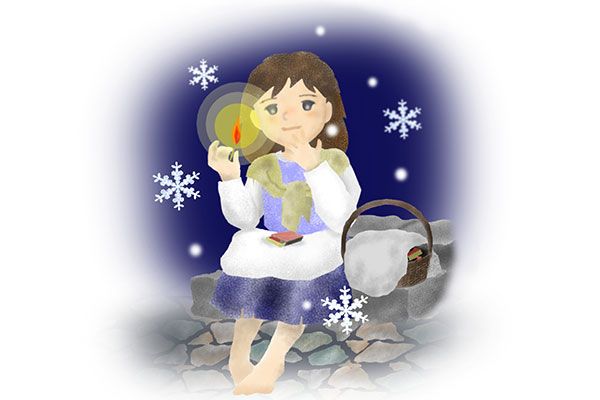
さて、『マッチ売りの少女』に登場する少女は、凍えるような寒さのなかで、たったひとりでマッチを売っています。でも、人々は忙しく行き交うばかりで、誰も少女に気づこうとしません。少女の心は、寒さよりも“誰にも見てもらえない孤独”でいっぱいでした。
やがて少女は少しだけあたたかさを求めて、そっとマッチをすります。マッチの小さな光の中には、少女が本当に欲しかった“安心できる世界”が広がっていきます。ストーブの温もり、おいしそうな料理、やさしいおばあさんの笑顔……。その光はまるで、少女の心が描き出した“あったらいいな”の世界そのものです。
でも、その光はすぐに消えてしまいます。現実の世界は、少女にとってあまりにもつらく、冷たいものでした。最後に少女がマッチの炎に見たのは、やさしいおばあさん。少女はそのおばあさんと一緒になり、天国へと旅立っていきます。
この結末を読んで、「死んでしまって良かったの?」と思う人もいるかもしれません。でもアンデルセンが伝えたかったのは、“死んだ方がいい”ということではありません。むしろ、少女を助けることができなかった社会への、強い悲しみと問いかけなのです。
街中の誰か一人でも、少女に声をかけていたらどうなっていたでしょうか。もし、あなたがその場にいたら、何かできたでしょうか。アンデルセンは、読者である私たちにそんな想像をしてほしかったのです。
『マッチ売りの少女』は、貧しい子どものかわいそうなお話ではありません。心のSOSに気づけるかどうか、人の孤独を見て見ぬふりをしないかどうか――そんな“やさしさ”について考えさせてくれる物語なのです。
現代に生きる私たちにも、「困っている人に気づける目を持ってほしい」というメッセージが、そっと語りかけられています。
English ver.
Once upon a time—about 180 years ago—there lived a writer named Hans Christian Andersen. He lived in Europe in the 19th century, a time when many families were very poor. There was no heating like today, and many children had to work instead of going to school. Poor children often had to sell things outside in the freezing winter to help their families.
Andersen himself was born into a very poor family. Because of this, he understood the feelings of children who suffered.
In his story *The Little Match Girl*, a young girl stands alone in the cold winter streets, trying to sell matches. People walk past her quickly, too busy to notice her. Her heart feels even colder than the winter air because she is so lonely and unseen.
To feel just a little warmth, the girl quietly lights a match. In the small flame, she sees the world she truly wants: a warm stove, delicious food, and the smiling face of her loving grandmother. These warm images show the safe and happy world she dreams of.
But each light disappears quickly. Reality is too harsh and cold for her. At last, in the final flame, she sees her grandmother again. The girl goes with her, leaving her suffering behind, and the story says she rises gently to heaven.
Some people may ask, “Was it good that she died?” But Andersen did not mean that. He wanted to show the deep sadness of a society that did not help her. He wanted readers to think:
“What if someone had spoken to her?”
“If I were there, could I have helped?”
*The Little Match Girl* is not only a sad story about a poor child. It is a story that teaches us to notice people’s silent cries for help and not ignore others’ loneliness.
Even today, it tells us:
“Please open your eyes and heart. Someone around you may need your kindness.”

『小さなドラマー・ボーイ』という歌には、クリスマスのお話がもとになっていますが、キリスト教を信じているかどうかに関係なく、誰にでも伝わる大切なメッセージがこめられています。
あるところに、小さな太鼓しか持っていない貧しい少年がいました。まわりの人たちは、赤ちゃんのイエスさまに立派な贈り物を持ってきます。でも少年には、宝石も金の箱もありません。胸が少し苦しくなるほど、自分には何もないように感じてしまうのです。
ところが少年は、「ぼくにはこれしかないけれど、心をこめて太鼓をたたこう」と決心します。誰かが喜んでくれるかどうかもわかりません。
でも、“いちばん得意なことを、いちばんの気持ちで”捧げようとしたのです。
少年が太鼓をとん、とん、と叩きはじめると、不思議とその音はあたたかく広がっていきます。見ていた人たちは、少年がどれだけ真剣に、どれだけまっすぐな心で演奏しているかに気づきます。
そして少年自身も、初めて「自分の音が誰かを喜ばせた」という感覚を知ります。
このお話は、宗教のことを知らなくても十分に心に届きます。なぜなら、少年が伝えているのは、“持っているものの大きさではなく、心のこめ方が大切だ”ということだからです。
たとえば、誰かにやさしく声をかけること。小さな手伝いをすること。友達の話をよく聞くこと。それらは大きな贈り物ではないかもしれません。でも、真剣に、まっすぐな心でやったことは、相手の心にちゃんと届きます。
そしてもう一つ、少年のお話が教えてくれる大切なことがあります。それは、“誰かのために行動すると、自分にも自信が生まれる”ということです。少年は太鼓をたたくことで、「自分にもできることがあるんだ」と初めて感じました。自分の価値に気づいた瞬間です。
『小さなドラマー・ボーイ』は、特別な力がなくても、立派なものを持っていなくても、「あなたの中にある小さな力が、誰かを幸せにできる」というメッセージを伝えています。宗教に関係なく、誰にでもこう語りかけてくれる物語なのです。
・“Come, they told me, pa-rum-pa-pum-pum”
(みんなが言った――さあ行こう、太鼓を鳴らして)
・“I have no gift to bring, pa-rum-pa-pum-pum”
(私には贈り物がありません。ただ太鼓の音だけです)
この短い歌のことばから、少年が「何も持っていない」と感じながらも、心をこめて太鼓を捧げようとしている姿が伝わります。贈り物の大きさではなく、気持ちそのものが大切だという、この歌と物語の核心を象徴しています。
The Little Drummer Boy
“The Little Drummer Boy” is a Christmas song, but its message can touch anyone, even people who do not believe in Christianity. It teaches us something important about kindness and the heart.
There was once a poor boy who had nothing but a small drum. Many people brought expensive gifts—gold and treasures—to the baby Jesus. But the boy had nothing like that. He felt sad because he thought, “I have nothing to give.”
Still, he decided: “I have only my drum, so I will play it with all my heart.”
He did not know if anyone would like it, but he wanted to give the best thing he could.
When he started to play—“ton, ton, ton”—the warm sound filled the place. People around him could feel how honest and serious he was. The boy himself felt something new, too: his music made someone happy. For the first time, he realized he had something valuable to offer.
This story reaches the heart because its message is simple: what matters is not how big your gift is, but how sincerely you give it.
Small things—like saying a kind word, helping someone, or listening to a friend—can also warm someone’s heart. Even if they seem small, when done with honesty, they become powerful gifts.
The boy also teaches us something else: when we do something for others, we find confidence in ourselves. By playing his drum, he realized, “I can do something. I can make someone smile.”
Even without special talents or expensive gifts, every person has something wonderful to give. That is why “The Little Drummer Boy” is loved by many people.
“Come, they told me, pa-rum-pa-pum-pum”
→ “They said to me: Come with us, play your drum.”
“I have no gift to bring, pa-rum-pa-pum-pum”
→ “I have no gift… only the sound of my drum.”
These short lines help us imagine the boy’s feelings. Even though he thought he had “nothing,” he gave the most important gift — his heart.